One Equipment Plan for Eight Regions
How Kaiser Permanente brought billions of dollars in medical equipment planning into a single system
The Situation
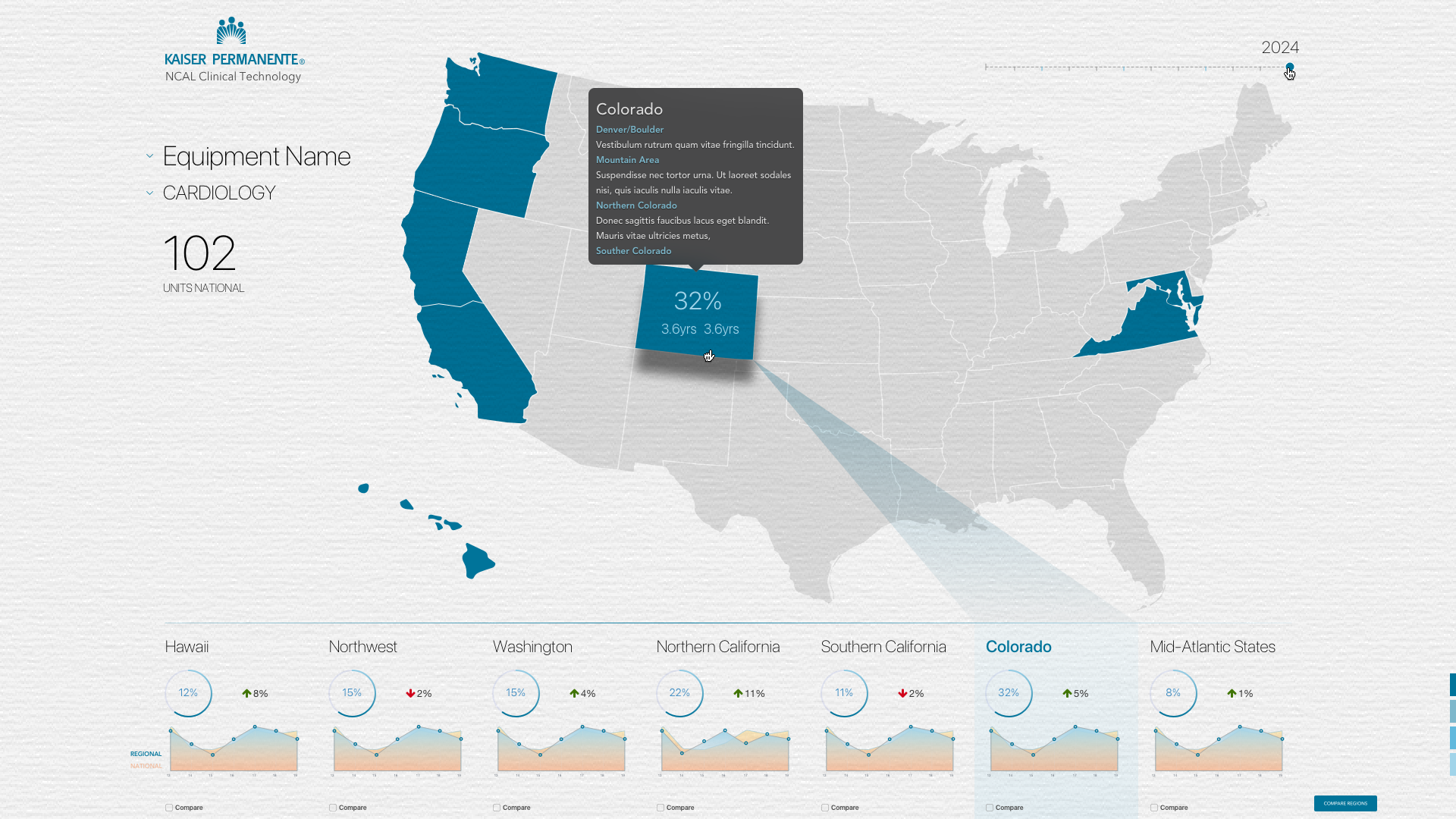
Kaiser Permanente runs hospitals and medical offices across eight regions, from Hawaii to the Mid-Atlantic, and every one of them depends on medical equipment that eventually needs replacing. KP's Clinical Technology group decides when that happens and what it will cost. Each region used to plan its own way. Some used spreadsheets, others had built their own systems, and none of them described equipment the same way. Getting a national view of equipment spending meant collecting eight different plans and reconciling them by hand. Any replacement had to satisfy eight regional teams, national committees and KP's IT organization at the same time. KP asked Beezwax to build it.
What We Built and What Changed
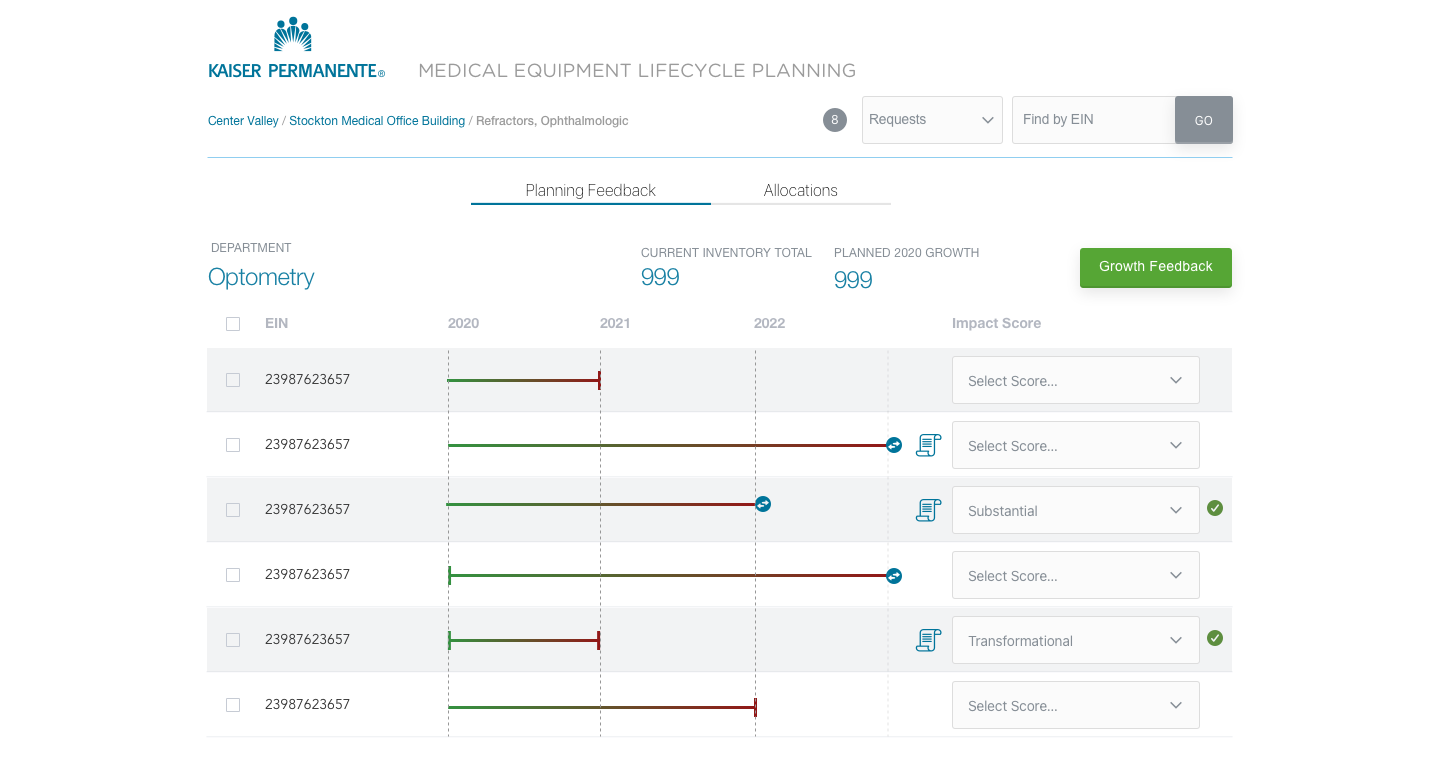
The team built LEAP, a FileMaker system for planning equipment replacement and spend across all of KP. It rests on one key decision: a single national catalog of equipment shared by every region, so a defibrillator in Honolulu is the same defibrillator in Atlanta. Each region keeps its own inventory and plans on top of that shared foundation. Inventory for every device in the organization, an inventory measured in six figures, comes in from KP's Oracle back end, and LEAP flags anything that doesn't match the catalog so planners can fix it before it reaches a plan. It's unglamorous work, and it's why people trusted the data.
LEAP runs inside KP's own infrastructure and access controls, with separate training and production environments, so it fits the way KP's IT already works rather than around it. Beezwax also migrated years of repair history into the system, so planners decide what to replace, upgrade or defer with real evidence in front of them. Committees set the standards and costs behind those choices, from the device itself to the IT, facilities and upgrade work that comes with it, and a separate web portal opened the process to the rest of KP, so any of its more than 25,000 physicians, and the staff around them, could request new equipment or maintenance on what they already have.
For the first time, Clinical Technology leadership could see one equipment plan across all eight regions, built on shared standards instead of stitched together after the fact. Over the years, LEAP has planned the replacement of billions of dollars' worth of equipment.